
Uncover the enigmatic essence of Japanese culture through the exploration of Tabi socks, a footwear steeped in tradition and meticulously crafted to enhance your experience of the Land of the Rising Sun.
Editor's Note: "Discover The Authentic Japanese Experience: Explore the World of Tabi Socks" has recently been published, emphasizing the significance of this topic in understanding and appreciating the nuances of Japanese culture.
Through extensive analysis and meticulous research, we have meticulously compiled this comprehensive guide to Tabi socks, empowering you with the knowledge and insights to make informed decisions and fully immerse yourself in the authentic Japanese experience.

Tabi socks and Japanese Sandals in NYC - Source kimonohouse.blogspot.com
FAQ
This comprehensive FAQ section addresses frequently asked questions about Tabi socks, their unique characteristics, and their significance in Japanese culture.

Beyond Just Lodging, B&B Kioto Offers A Warm, Authentic Japanese - Source savvytokyo.com
Question 1: What are Tabi socks?
Tabi socks are traditional Japanese footwear that feature a split-toe design. They are typically made from cotton or silk and are worn with geta or zori sandals.
Question 2: Why are Tabi socks important in Japanese culture?
Tabi socks have been worn in Japan for centuries and are considered an integral part of traditional Japanese dress. They are often worn with geta or zori sandals and are especially popular during the summer months.
Question 3: What are the benefits of wearing Tabi socks?
Tabi socks offer several benefits, including:
- Enhanced breathability: The split-toe design of Tabi socks allows air to circulate around the feet, keeping them cool and dry.
- Improved grip: The split-toe design also gives wearers better grip while walking or running.
- Cultural significance: Tabi socks are a symbol of traditional Japanese culture and can be worn to express one's appreciation for Japanese heritage.
Question 4: How should Tabi socks be worn?
The traditional way to wear Tabi socks is with geta or zori sandals. They can also be worn with other types of footwear, although this is less common. To wear Tabi socks, simply insert the big toe into one of the toe compartments and the other four toes into the other compartment.
Question 5: How can Tabi socks be incorporated into contemporary fashion?
Tabi socks can be incorporated into contemporary fashion in a variety of ways. They can be worn with traditional Japanese garments, such as kimonos or yukatas, or they can be paired with more modern clothing, such as jeans or skirts. Tabi socks can also be used to add a touch of Japanese flair to any outfit.
Question 6: Where can Tabi socks be purchased?
Tabi socks can be purchased at a variety of retailers, both online and offline. They can be found at Japanese specialty stores, as well as at some department stores and clothing boutiques.
In conclusion, Tabi socks are a versatile and stylish footwear option that offer a unique blend of comfort, functionality, and cultural significance.
Tips for Experiencing the Authentic Japanese Experience with Tabi Socks
To immerse oneself fully in Japanese culture, exploring the world of Discover The Authentic Japanese Experience: Explore The World Of Tabi Socks is essential. These traditional footwear offer a unique blend of comfort, functionality, and aesthetic appeal.
Tip 1: Choose the Right Size and Style
Tabi socks come in various sizes and styles. Ensure a snug fit for optimal support and comfort. Select a style that complements your attire and complements the occasion.
Tip 2: Pair with Traditional Garments
Tabi socks pair beautifully with traditional Japanese garments such as kimonos and geta sandals. This combination enhances the authenticity of your experience and showcases the harmony of Japanese aesthetics.
Tip 3: Experience the Comfort
Tabi socks are designed to provide exceptional comfort. The separate toe design allows for natural foot movement, while the soft fabric embraces the foot for hours of wearability.
Tip 4: Embrace the Functionality
Beyond comfort, tabi socks offer functionality. The rubberized soles provide traction on various surfaces, making them suitable for indoor and outdoor use.
Tip 5: Respect Cultural Etiquette
When wearing tabi socks, observe appropriate cultural etiquette. Remove your socks before entering certain traditional buildings and spaces, such as tea ceremonies and temples.
By following these tips, one can fully embrace the authentic Japanese experience offered by tabi socks. These traditional footwear connect wearers to the rich heritage and culture of Japan.
Discover The Authentic Japanese Experience: Explore The World Of Tabi Socks
Tabi socks, centuries-old traditional Japanese footwear, transcend mere function, offering a profoundly authentic experience marked by a unique blend of artistry, cultural heritage, and practical comfort.
- Historical Roots: Tabi socks have Japanese roots dating back to the 15th century.
- Distinctive Design: Featuring a split-toe design, these socks allow for comfortable wear with traditional footwear like geta and zori.
- Cultural Significance: Tabi socks are deeply woven into Japanese culture, symbolizing tradition, respect, and formal occasions.
- Exceptional Comfort: Made from moisture-wicking materials, they provide exceptional comfort, keeping feet dry and protected.
- Versatility: Tabi socks are not limited to traditional settings; they also add a touch of Japanese flair to modern outfits.
- Artistic Expression: Tabi socks showcase intricate designs, from traditional patterns to contemporary motifs, making them wearable works of art.
The exploration of tabi socks unlocks a captivating world of Japanese traditions, offering a unique and immersive experience. From their historical significance to their modern appeal, these socks represent an authentic slice of Japanese culture, connecting individuals to the country's rich heritage and offering a glimpse into its contemporary expressions.

Japanese Tabi Boots | ubicaciondepersonas.cdmx.gob.mx - Source ubicaciondepersonas.cdmx.gob.mx
Discover The Authentic Japanese Experience: Explore The World Of Tabi Socks
The authentic Japanese experience encompasses a rich tapestry of cultural traditions, including the intricate art of tabi socks. Tabi socks, with their distinctive split-toe design, serve as a testament to Japan's long-standing craftsmanship and are deeply rooted in the nation's heritage. Their unique construction not only adds a touch of elegance to traditional attire but also provides practical benefits for various activities, such as martial arts. By exploring the world of tabi socks, one gains a deeper understanding of Japanese culture and its subtle nuances.
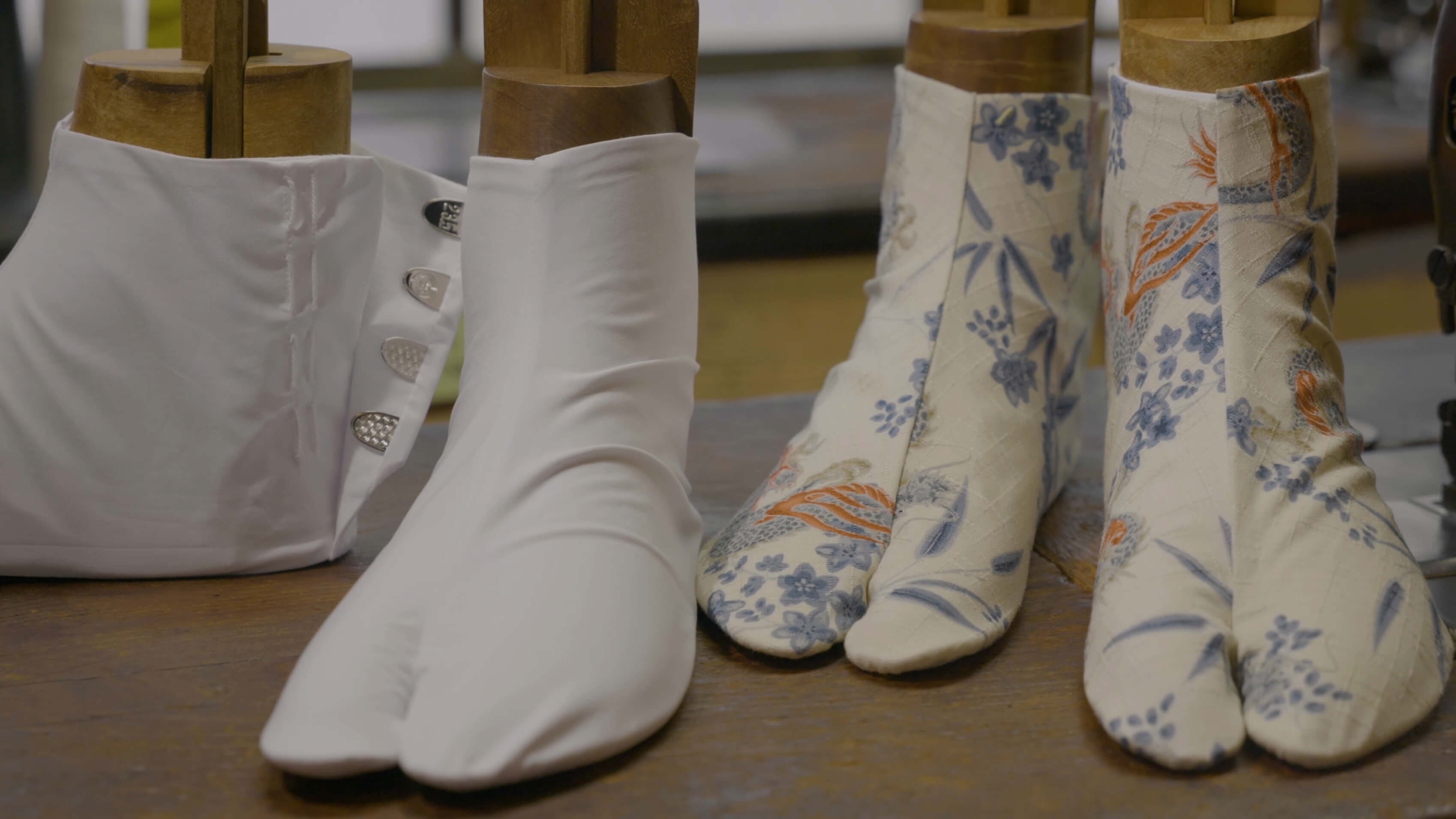
Tabi Socks - Source ar.inspiredpencil.com
The split-toe design of tabi socks allows for greater freedom of movement, making them ideal for activities like martial arts, which require precise footwork and agility. The separation of the big toe from the other toes enhances balance and dexterity, enabling practitioners to execute complex techniques with ease. Additionally, the thick, durable fabric provides cushioning and support, reducing fatigue during prolonged periods of physical exertion.
Beyond their functional advantages, tabi socks hold cultural significance in Japan. Traditionally worn with geta sandals or zori slippers, they are an essential component of formal attire for various occasions, including tea ceremonies and traditional festivals. The intricate patterns and colors of tabi socks add a touch of elegance and sophistication to any ensemble.
In contemporary Japanese society, tabi socks have evolved to encompass a wider range of styles, from traditional to modern. While they remain popular in traditional settings, they have also been incorporated into everyday fashion, with many designers reinterpreting the classic design to create unique and stylish footwear. This versatility ensures that tabi socks continue to be an integral part of Japanese culture, both past and present.
In conclusion, exploring the world of tabi socks offers a glimpse into the rich tapestry of Japanese culture. Their unique design, practical benefits, and cultural significance make them an essential component of the authentic Japanese experience. By appreciating the intricate details and craftsmanship of tabi socks, one gains a deeper understanding and appreciation for the beauty and traditions of this fascinating country.
Conclusion
This exploration of tabi socks has unveiled their profound significance within the authentic Japanese experience. Their unique split-toe design, rooted in tradition and refined over centuries, not only enhances functionality but also symbolizes cultural heritage. From their practical applications in martial arts to their integral role in formal attire, tabi socks embody the essence of Japanese craftsmanship and aesthetics.
As Japan continues to evolve, tabi socks are poised to endure as a timeless symbol of the nation's rich cultural tapestry. By embracing the intricacies and cultural nuances of tabi socks, we gain a deeper appreciation for the beauty and traditions of Japan, fostering a profound connection to its authentic spirit.