
What makes Leeds such a remarkable city? Leeds: A Vibrant City Of History, Culture, And Industry
Editor's Notes: Leeds: A Vibrant City Of History, Culture, And Industry have published today date. The reason why this topic important to read is simply because Leeds have blended interesting history and modern facelift. Moreover, this guide will break down each of the pillars that make Leeds special and provide insights into what makes it a great place to live and work.
Through our effort doing some analysis, digging information, made Leeds: A Vibrant City Of History, Culture, And Industry we put together this Leeds: A Vibrant City Of History, Culture, And Industry guide to help target audience make the right decision.
Key differences or Key takeaways
Transition to main article topics
FAQ
This FAQ section provides concise answers to frequently asked questions about Leeds, its history, culture, and industry.
Question 1: What is Leeds most known for?
Leeds is renowned for its vibrant culture, rich history, and thriving industry. The city is home to renowned museums, theaters, and art galleries, showcasing its cultural heritage and contemporary arts scene. Leeds also boasts a long industrial history, particularly in textiles, engineering, and manufacturing, which has contributed to its economic growth.
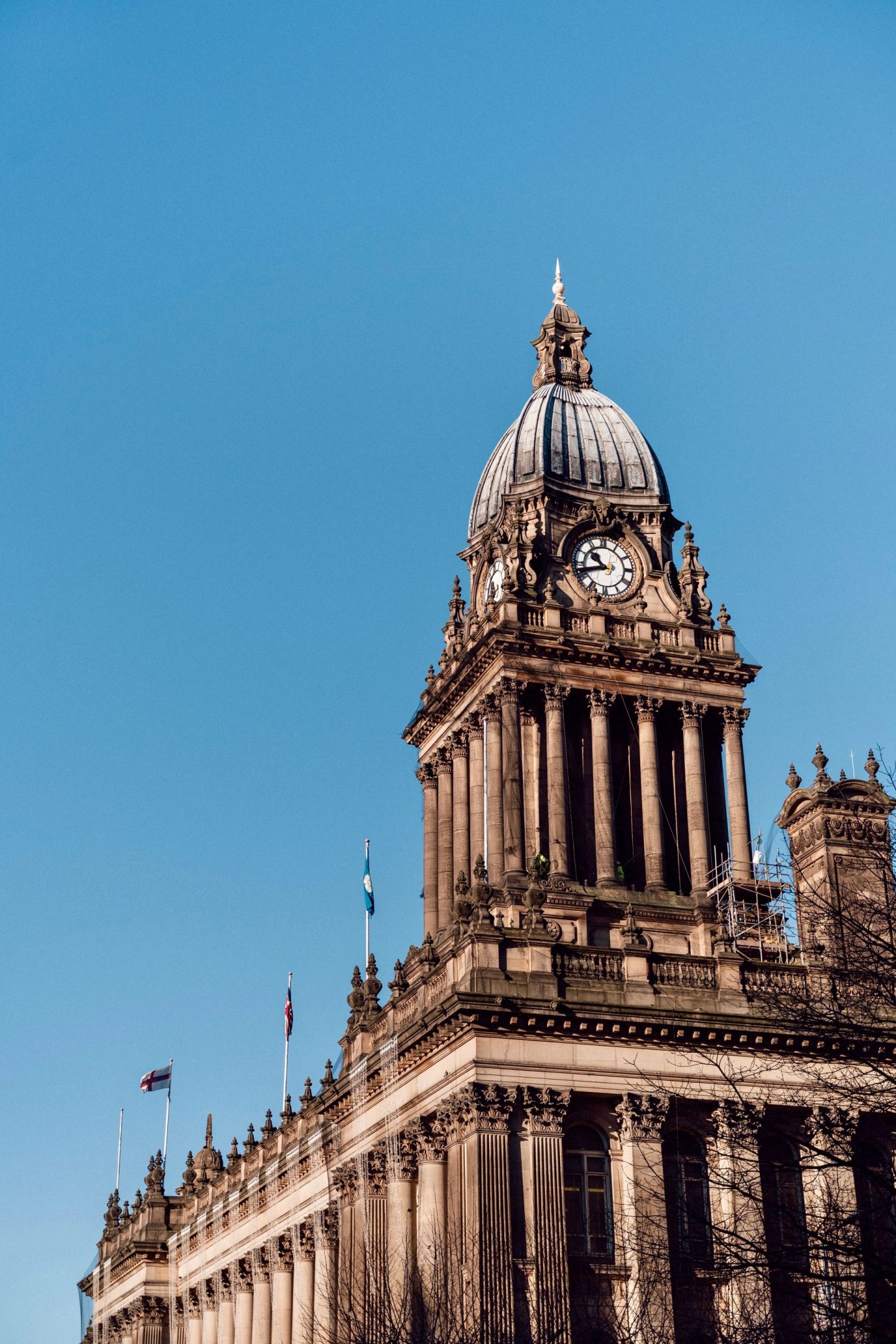
67 Things to Do in Leeds City Centre - Adventures with Nell - Source adventureswithnell.co.uk
Question 2: What are some must-visit attractions in Leeds?
Leeds offers a range of attractions, including the Royal Armouries Museum, showcasing an impressive collection of weapons and armor; the Leeds Art Gallery, featuring a diverse collection of art from around the world; and the Henry Moore Institute, dedicated to the renowned sculptor's work. The city also boasts beautiful parks and green spaces, such as Roundhay Park and Woodhouse Moor.
Question 3: What is Leeds's architectural heritage like?
Leeds exhibits a blend of architectural styles, reflecting its rich history. The city center features Victorian and Edwardian buildings, including the iconic Leeds Town Hall, while the suburbs showcase a mix of traditional and contemporary architecture. Leeds is also home to several modern landmarks, such as the First Direct Arena and the Bridgewater Place.
Question 4: What industries are prominent in Leeds?
Leeds has a diverse economy with a strong emphasis on financial services, healthcare, manufacturing, and technology. The city is home to several major financial institutions and international businesses. It is also a hub for medical research and innovation, with the University of Leeds being a leading center in healthcare education and research.
Question 5: What is the cultural scene like in Leeds?
Leeds possesses a vibrant cultural scene, offering a wide range of events and activities. The city hosts numerous festivals throughout the year, including the Leeds International Film Festival, Leeds Fringe Festival, and Leeds West Indian Carnival. Leeds is also home to several theaters, including the Leeds Playhouse and the West Yorkshire Playhouse, presenting a diverse program of productions.
Question 6: What are the transportation options available in Leeds?
Leeds is well-connected by road, rail, and air. The city has excellent motorway links to major cities across the UK, and Leeds Bradford International Airport provides direct flights to destinations within Europe and beyond. Leeds also has an extensive public transportation system, including buses, trains, and a tram network, making it easy to navigate the city and its surrounding areas.
This FAQ section provides a comprehensive overview of Leeds, covering its key attractions, cultural offerings, architectural heritage, industry, and transportation options.
To learn more about Leeds and plan your visit, please refer to the following resources:
Tips
Exploring Leeds: A Vibrant City Of History, Culture, And Industry offers numerous rewarding experiences. Here are some tips to enhance your visit:
Tip 1: Immerse yourself in history and culture at Leeds City Museum:
This renowned museum houses a captivating collection spanning natural history, archaeology, and the city's rich heritage. Discover ancient Egyptian artifacts, explore the geology of Yorkshire, and delve into the story of Leeds from its origins to the present day.
Tip 2: Stroll through the picturesque Roundhay Park:
Escape the hustle and bustle in this sprawling green oasis. Admire the stunning tropical glasshouses, visit the historic mansion, and enjoy leisurely walks or bike rides amidst scenic lakes and gardens.
Tip 3: Visit the Royal Armouries Museum:
Step into the world of weaponry at this globally renowned museum. Witness an extensive collection of arms and armor from around the world, spanning ancient times to the modern era. Engage in interactive displays and learn about the history and significance of warfare.
Tip 4: Explore the vibrant Leeds Corn Exchange:
This historic market hall has been transformed into a vibrant hub for independent retailers, street food vendors, and cultural events. Discover unique handmade crafts, sample delectable cuisines from around the globe, and immerse yourself in the lively atmosphere.
Tip 5: Experience the art and music scene at the Leeds Art Gallery:
Admire a diverse collection of paintings, sculptures, and decorative arts from the 14th century to the present day. The gallery also hosts regular exhibitions and events, showcasing the work of contemporary artists and musicians.
By following these tips, you can optimize your time in Leeds and delve into the city's rich tapestry of history, culture, and vibrancy.
Leeds: A Vibrant City Of History, Culture, And Industry
Leeds, a city in Yorkshire, England, is a vibrant hub renowned for its rich tapestry of history, culture, and industry. From its captivating past to its thriving present, the city showcases a multifaceted essence that warrants exploration.
- Historical Heritage: Leeds boasts a rich past, evident in its architectural landmarks and museums.
- Cultural Tapestry: The city is a melting pot of diverse cultures, reflected in its vibrant festivals and culinary scene.
- Industrial Legacy: Leeds has a strong industrial heritage, particularly in textiles and manufacturing.
- Economic Hub: Today, Leeds is a major economic center with a thriving business district and renowned universities.
- Vibrant Arts: The city is home to a thriving arts scene, with renowned theaters, galleries, and music venues.
- Green Spaces: Despite its urban character, Leeds offers ample green spaces, including parks, woodlands, and the River Aire.
These key aspects intricately weave together to create the unique tapestry of Leeds. Its historical heritage provides a tangible connection to the past, while its cultural diversity fosters a vibrant and inclusive community. The city's industrial legacy serves as a testament to its resilience and innovation, while its present-day economic strength reflects its adaptability. The thriving arts scene adds an element of creativity and inspiration, while the abundance of green spaces offers a refreshing escape within the urban landscape. Together, these aspects contribute to the vibrancy and allure that make Leeds a captivating destination.

Aesthetic city synthwave wallpaper with a cool and vibrant neon design - Source www.vecteezy.com
Leeds: A Vibrant City Of History, Culture, And Industry
Leeds, a city in West Yorkshire, England, has a rich and diverse history that has shaped its character as a vibrant center of culture and industry. Throughout its development, the city has witnessed significant periods that have influenced its present-day status.
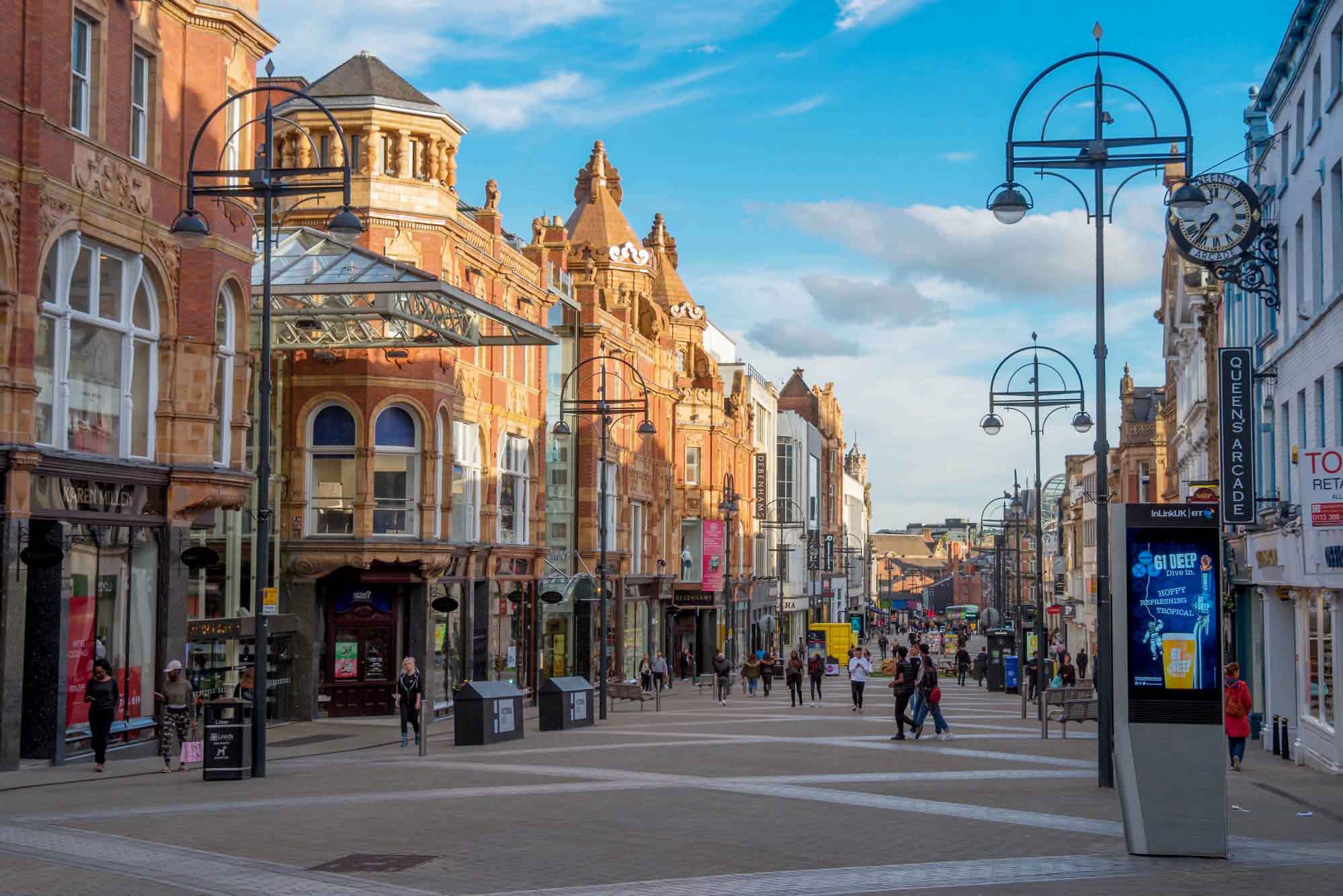
Investment Property for Sale Leeds - Aspen Woolf Property Agency - Source aspenwoolf.co.uk
During the Industrial Revolution, Leeds became a major hub for the textile industry. Its strategic location, access to raw materials, and skilled workforce contributed to its rise as a manufacturing powerhouse. The city's iconic mills and factories became symbols of its industrial heritage and played a crucial role in shaping its economic landscape. The textile industry not only brought prosperity to Leeds but also left a lasting impact on its architecture and urban planning.
Alongside its industrial prowess, Leeds has also been a center for innovation and education. The city is home to the University of Leeds, one of the leading research universities in the United Kingdom. The university's contributions to fields such as science, medicine, and engineering have not only advanced knowledge but also fostered a culture of creativity and intellectual inquiry within the city.
Beyond its industrial and academic achievements, Leeds is renowned for its vibrant cultural scene. The city hosts a wide range of museums, theaters, art galleries, and music venues. The Leeds International Film Festival, one of the largest film festivals in the UK, attracts filmmakers and film enthusiasts from around the world. The city's cultural diversity is reflected in its numerous festivals and events, including the Leeds West Indian Carnival and the Leeds Mela, which celebrate the city's multicultural heritage.
The connection between Leeds' history, culture, and industry is evident in its present-day character. The city's industrial past has shaped its urban fabric, with former mills and factories now repurposed as cultural spaces and residential areas. The presence of the University of Leeds has fostered a dynamic research and innovation ecosystem, while the city's cultural institutions contribute to its vibrant and cosmopolitan atmosphere.
Leeds stands as a testament to the transformative power of industry, culture, and education in shaping a city's identity. Its rich history, thriving cultural scene, and commitment to innovation make it a vibrant and compelling destination for residents, visitors, and businesses alike.
Conclusion
Leeds' journey from an industrial powerhouse to a vibrant hub of culture and innovation showcases the remarkable resilience and adaptability of cities. Its rich history has laid the foundation for its present-day achievements, creating a diverse and dynamic urban environment.
As Leeds continues to evolve, it is essential to preserve its unique character while embracing new opportunities for growth and development. By fostering collaboration between its industries, cultural institutions, and educational establishments, the city can harness its collective strengths to create a sustainable and prosperous future. Leeds serves as an inspiring example of how a city's past can inform its present and shape its destiny, ensuring its continued vibrancy for generations to come.