
How much do you know the history of Africa? What if we say that Africa has a plant that has its own museum inside the tree trunk? Now you may wonder what the plant is. Well! The answer is: Baobab Tree of Africa. Isn’t it interesting to know about nature’s gift where you can explore the museum inside of the tree trunk itself?
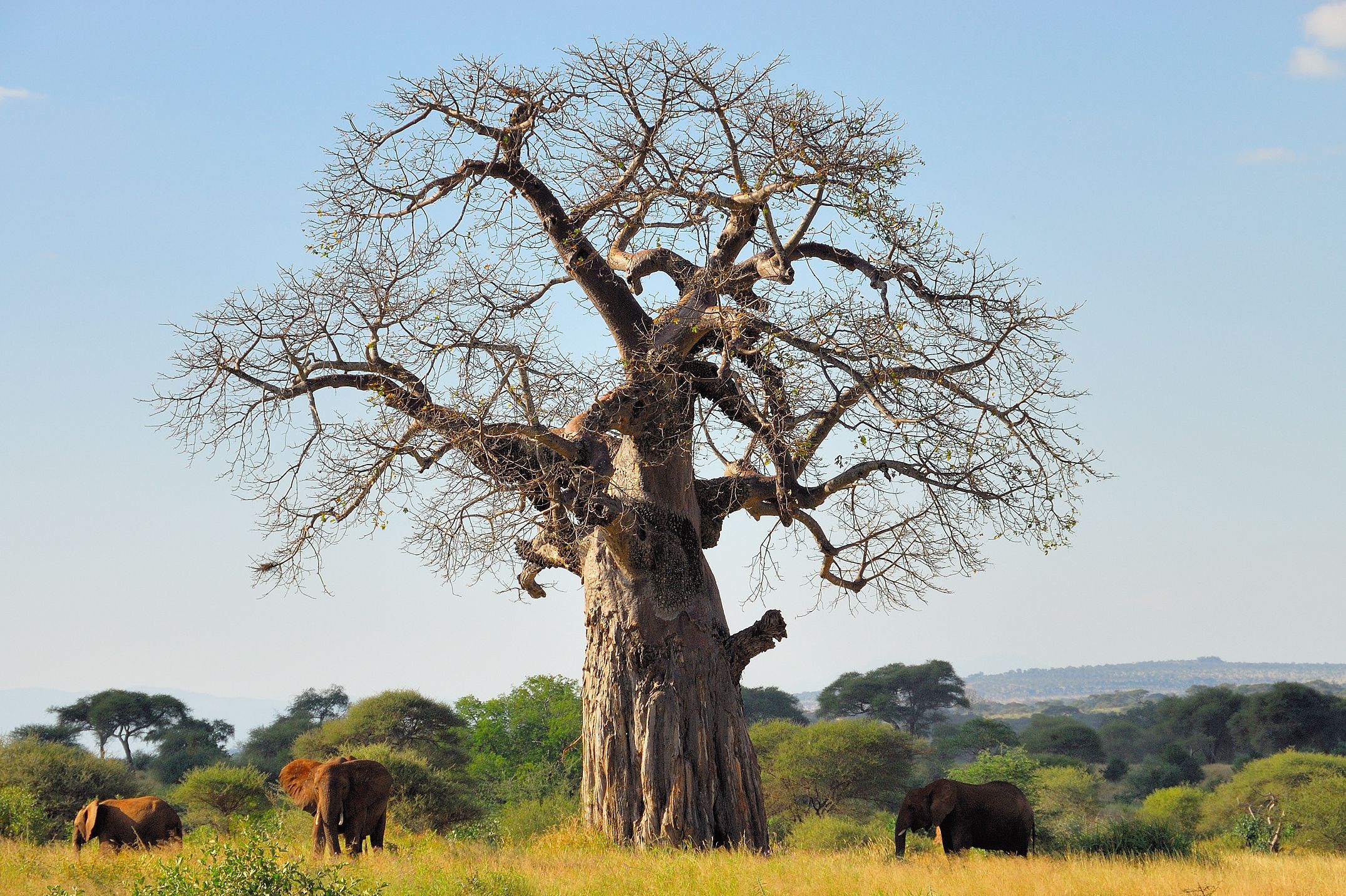
Baobab Computer Backgrounds - Source wallsdesk.com
Editor's Notes: "Ancient Giant: The Majestic Baobab Tree Of Africa" have published today date because the article provide insightful information on Baobab tree that you have never know before.
Our team has done a lot of digging and research to come up with this guide to assist you in learning about the majestic and fascinating Baobab Tree.
Key differences or Key takeways
| Feature | Description |
|---|---|
| Size | 30 to 170 feet |
| Diameter | 82 feet |
| Lifespan | Over 1,000 years |
| Trunk | Covered in thick, cork-like bark |
| Leaves | Compound, with 5-7 leaflets |
| Flowers | Creamy-white, with a strong fragrance |
| Fruit | Large, oval-shaped, and filled with edible seeds |
Transition to main article topics
FAQ
The ancient baobab tree of Africa, a majestic symbol of resilience and longevity, often sparks curiosity and questions. Here are answers to some frequently asked questions:

Majestic Giant Jungle Tree, Amazing Forest Background Royalty-Free - Source cartoondealer.com
Question 1: How old do baobab trees typically live?
The lifespan of baobab trees is enigmatic, with estimations ranging from centuries to millennia. Radiocarbon dating has confirmed some specimens to be over 2,000 years old.
Question 2: Why are baobab trees so large?
Baobab trees possess a unique water storage system, allowing them to accumulate and store vast amounts of water within their trunk and roots. This enables them to thrive in arid environments and reach colossal sizes.
Question 3: Can baobab trees be used for medicinal purposes?
Traditionally, various parts of the baobab tree have been utilized for medicinal benefits. The leaves, fruit, and bark have been used to treat ailments such as fever, dysentery, and skin conditions.
Question 4: Are baobab trees threatened by human activities?
Unfortunately, baobab trees face numerous threats, including habitat loss, climate change, and unsustainable harvesting. Conservation efforts are crucial to protect and preserve these ancient natural wonders.
Question 5: Where can baobab trees be found?
Baobab trees are native to mainland Africa, Madagascar, and Australia. They are predominantly found in savannah and semi-arid regions, where they serve as iconic landmarks.
Question 6: What cultural significance do baobab trees hold?
In African folklore and culture, baobab trees are revered as sacred and symbolic. They are often associated with legends, beliefs, and communal gatherings, further enriching their cultural significance.
Understanding these aspects of the ancient baobab tree deepens our appreciation for its resilience, medicinal value, and cultural significance. It highlights the importance of preserving these majestic giants for future generations.
Explore the next article section:
Tips from Ancient Giant: The Majestic Baobab Tree Of Africa
The Baobab tree is a majestic and long-living tree native to Africa. It has been used for centuries for its medicinal and nutritional properties. Here are some tips on how to utilize the Baobab tree:
Tip 1: Use Baobab powder as a nutritional supplement.
Baobab powder is a rich source of vitamins, minerals, and antioxidants. It can be added to smoothies, yogurt, or oatmeal to boost your daily nutrient intake.
Tip 2: Use Baobab oil for skincare.
Baobab oil is a natural moisturizer that can help to improve the appearance of your skin. It is rich in antioxidants and fatty acids, which can help to protect your skin from damage.
Tip 3: Use Baobab leaves to make tea.
Baobab leaves contain antioxidants and anti-inflammatory compounds. They can be brewed into a tea that can help to boost your immune system and improve your overall health.
Tip 4: Use Baobab fruit as a food source.
Baobab fruit is a good source of fiber, vitamins, and minerals. It can be eaten fresh, dried, or processed into a juice or powder.
Tip 5: Use Baobab bark for medicinal purposes.
Baobab bark has been used for centuries to treat a variety of ailments. It is believed to have anti-inflammatory, antibacterial, and anti-malarial properties.
Baobab trees are a valuable resource that can be used to improve our health and well-being. By following these tips, you can harness the power of the Baobab tree and enjoy its many benefits.
Ancient Giant: The Majestic Baobab Tree Of Africa
The majestic baobab tree of Africa, with its towering presence, embodies resilience, adaptability, and cultural significance. Six key aspects unravel the grandeur of this ancient giant:
- Gigantic Size: Towering heights, colossal trunks
- Age: Centuries-old living monuments
- Water Storage: Spongy trunks holding vast water reserves
- Versatile Uses: Fiber, food, shelter, and spiritual importance
- Ecosystem Keystone: Habitat and food source for numerous species
- Cultural Symbol: Revered in African folklore and mythology
These aspects interplay, showcasing the baobab's extraordinary nature. Their enormous size and age evoke awe, while their water-storage capabilities ensure survival in harsh environments. The versatile uses speak to the tree's practical and cultural significance, from providing sustenance to serving as sacred sites. As ecological pillars, baobabs foster diverse ecosystems. Their deep roots in African history and mythology further elevate their status as majestic giants, connecting the past, present, and future.
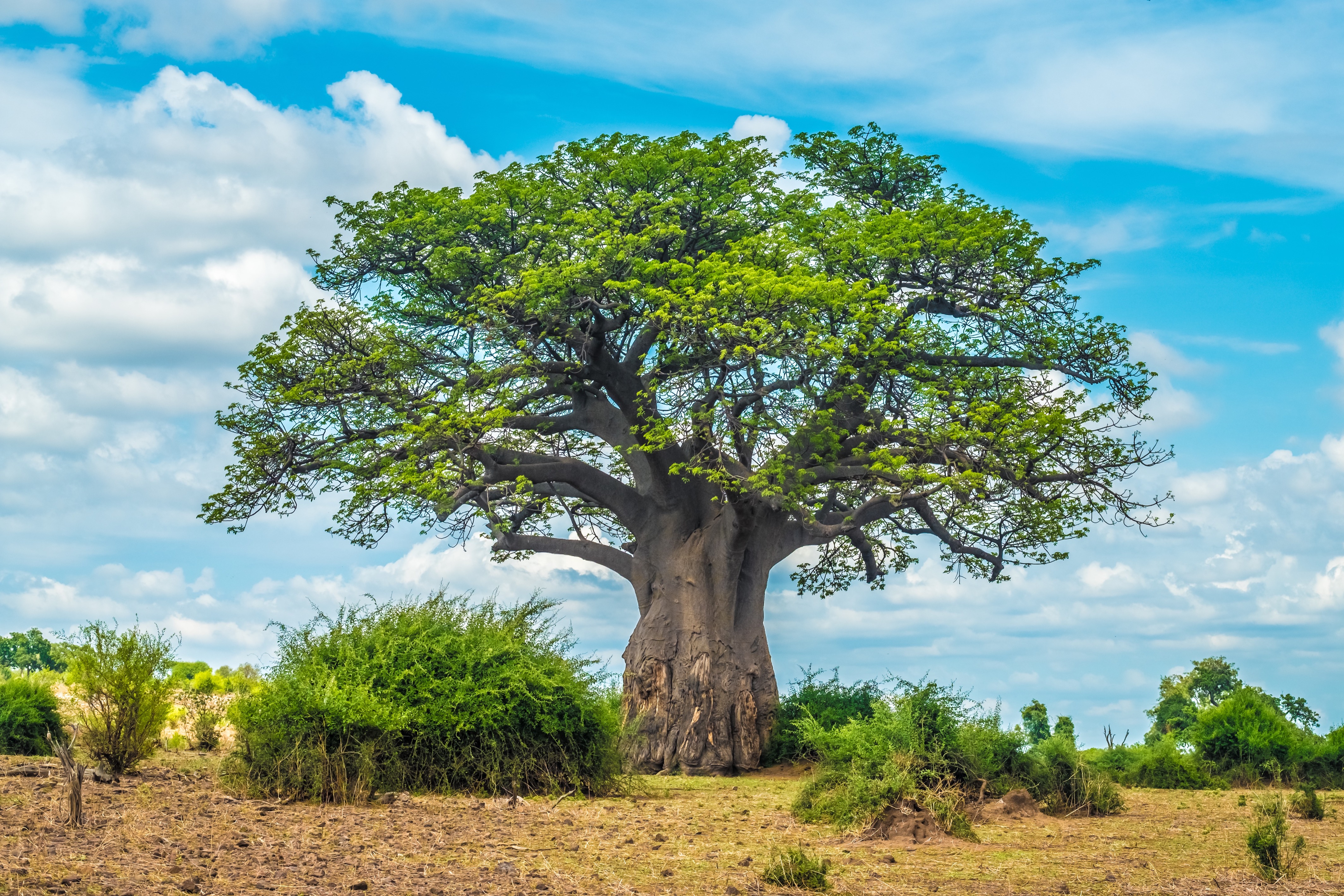
South African Baobab Tree - Source mavink.com
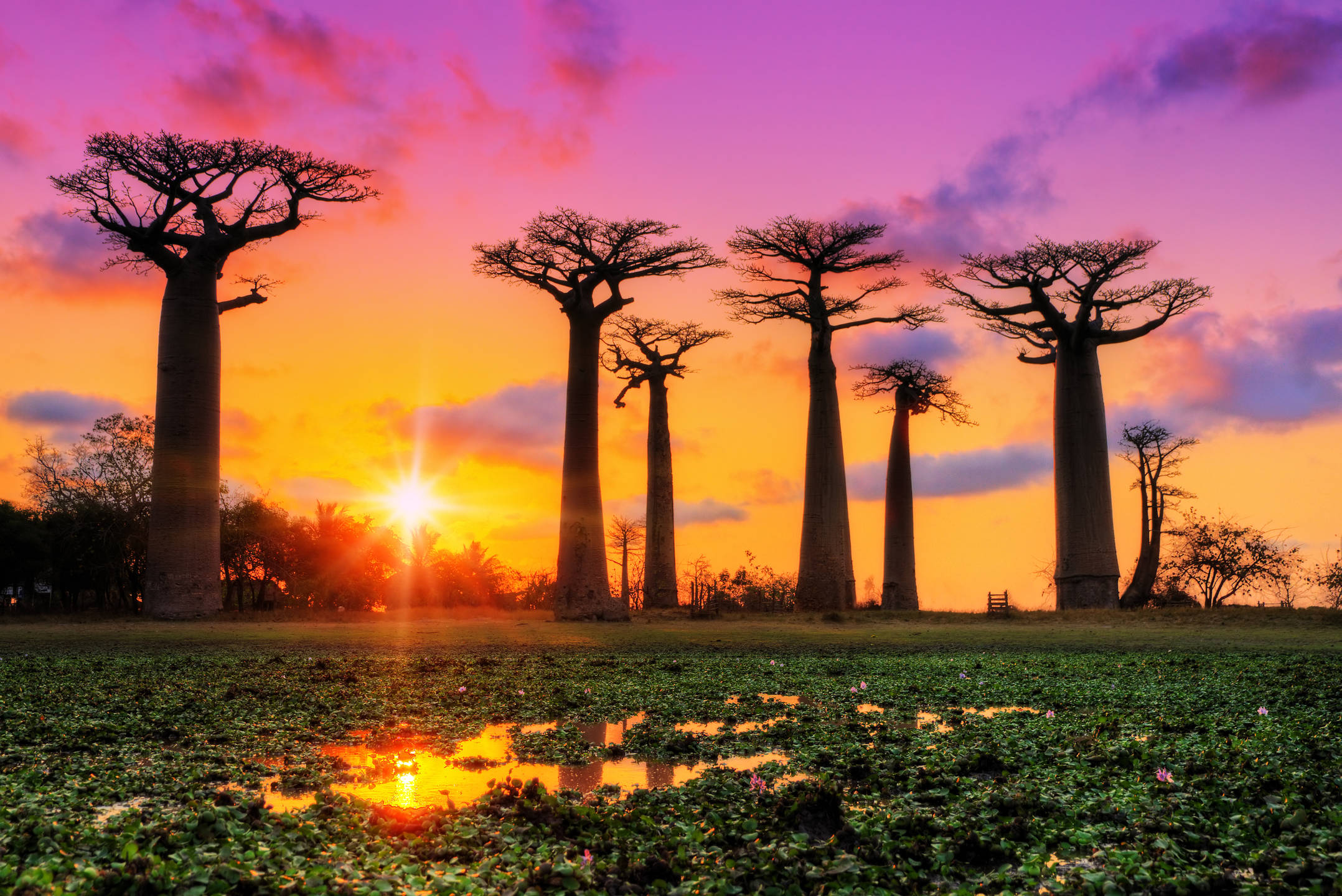
Baobab: The Traveling Tree of Life - MyStart - Source blog.mystart.com
Ancient Giant: The Majestic Baobab Tree Of Africa
Through time, the baobab tree has grown to symbolize strength, resilience, and longevity. Its massive trunk, capable of storing thousands of liters of water, has allowed it to survive in Africa's harsh and arid environments. The baobab's thick bark protects it from wildfires, and its deep roots anchor it firmly in the ground, enabling it to withstand strong winds.
Baobab tree illustration Stock Vector Image & Art - Alamy - Source www.alamy.com
The baobab tree is a vital resource for the people and animals of Africa. Its leaves, fruit, and seeds are all edible, and its bark can be used to make rope, clothing, and paper. The baobab's large, hollow trunk has even been used as a shelter for humans and animals.
The baobab tree is a testament to the power of nature and the importance of conservation. Its size, longevity, and resilience are a reminder of the fragility of our planet and the need to protect it.
Table: The Majestic Baobab Tree Of Africa
| Characteristic | Description |
|---|---|
| Size | The baobab tree is one of the largest trees in the world, with some specimens reaching heights of over 100 feet and diameters of over 30 feet. |
| Longevity | The baobab tree is also one of the longest-living trees in the world, with some specimens estimated to be over 1,000 years old. |
| Resilience | The baobab tree is remarkably resilient, able to withstand droughts, wildfires, and strong winds. |
| Importance | The baobab tree is a vital resource for the people and animals of Africa, providing food, shelter, and medicine. |
Conclusion
The baobab tree is a true wonder of the natural world. Its size, longevity, and resilience are a testament to the power of nature. The baobab tree is also a vital resource for the people and animals of Africa, providing food, shelter, and medicine. As we face the challenges of climate change and environmental degradation, the baobab tree serves as a reminder of the importance of conservation and the need to protect our planet for future generations.
We must continue to learn more, promote conservation efforts, and ensure that future generations can continue to marvel at the majestic baobab tree of Africa.